Paint Protection Film Care: How to Keep PPF Looking New
Paint Protection Film earns its keep quietly. It absorbs the everyday abuse that ruins clearcoat, then shrugs it off with self-healing polymers. But the film is not invincible, and the difference between a car that still looks jewel-like five years later and one that seems tired at two often comes down to basic maintenance. The good news: smart care habits take minutes, not hours, and they prevent the expensive fixes.
What PPF actually protects, and what it doesn’t
Modern Paint Protection Film is a multi-layer urethane with a clear coat top layer engineered to resist etching and light swirls. Most premium films are 6 to 8 mils thick and designed to self-heal under moderate heat. That healing is mostly optical, meaning it relaxes fine marring so the surface looks smooth again. It does not fill gouges, rock chips that hit hard at 70 mph, or cuts from a stiff brush. The adhesive underneath likes a stable, clean substrate. If the paint was poorly prepped, contaminants can telegraph through. If the edges are abused, water and grime can creep in.
When well maintained, quality PPF typically lasts 7 to 10 years in temperate climates, a bit less in high-UV regions or on high-heat panels like black hoods. City driving tends to mark film with transfer from rubber and soft plastics. Rural highways sandblast lower areas. Each environment sets different care priorities, but the fundamentals are the same.
The first month matters more than people think
Freshly installed film needs time to settle. Adhesive off-gasses and microscopic moisture finds its way out through the edges. Do not pry at edges or puncture small silvering or moisture pockets. They typically dissipate as the film relaxes.
Avoid any waxes, sealants, or Ceramic Coating in the first 7 to 10 days unless your installer has already applied a coating designed for film. Most shops will recommend no washing for the first 48 to 72 hours. If you must remove bug residue early, mist with distilled water, lay a soaked microfiber on the spot for a few minutes, then lift gently. No scrubbing. Direct pressure washing on edges during the first week is an easy way to raise them.
A weekly wash routine that actually preserves the film
You do not need exotic chemicals. You do need the right sequence and touch. For daily drivers, a weekly or biweekly wash is the single best habit for keeping PPF clear and stain free. Here is a simple flow that balances safety and speed.
- Rinse thoroughly, ideally with a foam pre-soak to loosen grit. Keep a pressure washer at least 24 inches from the surface, and at least 36 inches from edges and badges.
- Two-bucket contact wash with a pH-neutral shampoo and a high-quality wash mitt. Work top to bottom. Refresh rinse water if it turns cloudy.
- Use dedicated bug/tar remover only after the contact wash, and only on affected spots. Let it dwell per label, then rinse.
- Final rinse with low pressure, then a gentle sheeting rinse by removing the nozzle and letting a stream flow off panels. This reduces towel time.
- Dry with a soft, large-weave towel or filtered air. Light towel pressure only. Tap dry edges and seams rather than dragging.
This routine controls the big risks: embedded grit that grinds into the top coat, chemical staining that bakes on in the sun, and edge lifting from high-pressure jets. It also takes less than 30 minutes on a mid-size sedan when practiced.
Drying, towels, and the small habits that prevent haze
Most micro-marring comes from drying, not washing. A plush 600 to 800 gsm towel works when the car is clean, but a lighter, tight-weave towel can be safer on softer films because it drags less. Pat dry first, then use light, straight-line passes to finish. Avoid circular motions. If the towel picks up visible dirt mid-dry, swap it out. Better yet, combine a filtered air blower with minimal towel work to keep mechanical contact to a minimum.
Hard water is the enemy of clarity. If you wash in sun or with mineral-rich water, use a quick detailer that is film safe as a drying aid. It adds glide and buys time before spotting. If your area has very hard water, consider a simple inline filter at the hose. It pays for itself in fewer water spot corrections.
Contaminants: bugs, tar, sap, and bird droppings
Bugs and bird bombs are time sensitive. The acids in droppings and the proteins in insect remains begin etching quickly under sun. On unprotected paint, you can see etch marks within hours in July heat. Film buys time, not immunity. Treat these incidents as a same-day job whenever possible.
Start with a cool panel. Flood the spot with distilled water or a film-safe detailer, lay a damp microfiber over it for 3 to 5 minutes, then lift gently. For bugs, a dedicated bug remover that specifies PPF compatibility is safe when used as directed. For tar, a citrus-based solvent works well, but keep dwell times short and rinse thoroughly. Sap can be stubborn. Alcohol-based products can haze some films if left too long, so spot test and use the minimum needed. If sap has hardened for weeks, a professional may steam and soften it rather than risking aggressive chemicals.
Stain and water spot management
Mineral spotting on PPF shows up as round halos that are less sharp than on bare clearcoat, but they are just as annoying. If you catch them within a day, a mild vinegar mix followed by a pH-neutral shampoo wash can dissolve the deposit. For etched spots that survived a week of summer heat, use a film-safe water spot remover. Many installers stock proprietary formulas aligned to the film brand. Mechanical polishing is the last resort on film, and even then, it must be extremely light.
High-alkaline wheel cleaners and traffic film removers are handy on industrial grime but can dull the film’s top coat if used at strong concentrations. When in doubt, reduce dilution ratios, shorten dwell, and rinse early. Consistency beats heroics.
Edges, seams, and the art of leaving them alone
Hand wash techniques often fail at panel edges. People press towels and mitts into the film line trying to clean the last trace of dirt. That habit is how edges lift. Work toward the edge with low pressure, then pull away. On wraps that end near wheel arches or with relief cuts around sensors, keep pressure washer distance conservative. If an edge starts to lift slightly, stop. Dry it, then gently warm it with a hair dryer on low while pressing with a clean microfiber-wrapped finger. If it does not lay flat, a shop can reactivate the adhesive with proper heat and pressure. Trying to reseal it with household adhesives causes staining and can void warranties.
Heat and the self-healing effect
Self-healing is real, but it is not magic. The top coat flows microscopically when warmed. In practical terms, light wash marring and towel trails will visually disappear after the car bakes in the sun or after a few minutes with a heat gun used at a distance. You are not melting the film, only easing its surface tension. Deep scratches that you can catch with a fingernail do not heal. Heat is also valuable after winter washes when the film looks cloudy from micro-contraction. A sunny drive or moderate garage warmth can restore the gloss.
Remember that different films have different healing thresholds. Some activate near 110 to 120 degrees Fahrenheit, others prefer 130 to 140. You do not need exact numbers on hand, just the principle: warm, not hot. If a panel is too hot to keep your hand on comfortably, it is too hot for intentional heating.
Ceramic Coating on PPF: smart pairing or unnecessary layer?
A Ceramic Coating on top of film does not make the film harder in a scratch-resistance sense, but it does change maintenance. Coated PPF sheds water and grime more easily, which means fewer wash passes, less towel time, and fewer chances to mar the surface. The hydrophobic effect slows staining from bugs and bird droppings, and coated film is less prone to static dust.
There are trade-offs. Coatings mask, to a degree, the natural self-healing feedback. Some coated films still self-heal, but the effect can be dampened. Coatings also require their own maintenance, like periodic toppers or decon washes to refresh hydrophobics. Choose a coating compatible with urethane top coats. Many manufacturers list film compatibility openly. If you hear a one-size-fits-all claim, ask for the technical sheet.
At Xtreme Detailing and Ceramic Coatings, we tend to coat daily-driven vehicles that live outdoors because it reduces hands-on time per wash by a third. On garaged weekend cars where the owner enjoys frequent hand washing and the film lives a cushy life, the benefit is smaller, and we sometimes leave the film uncoated so the self-healing feels more immediate. Matching the approach to the owner’s habits is more important than following a trend.
Decontamination without damaging the film
Traditional clay bars can abrade PPF if used carelessly. If you must clay, use a very fine grade with ample lubrication, minimal pressure, and short, straight passes. Synthetic clay mitts are convenient, but on film they can grab and chatter. Reserve claying for severe bonded contaminants after months of highway travel or construction exposure.
Chemical decon, like iron removers, is mostly unnecessary on film. PPF does not hold ferrous particles the way porous clearcoat can. If you do use an iron remover, test first and limit dwell, then rinse thoroughly. Tar removers are often the more relevant tool for film because asphalt and tire rubber are the common transfer culprits.
Inspection intervals and when to ask a shop for help
Treat PPF like you would a performance part. Glance at leading edges and high-impact zones monthly. Look for lifting, excessive browning from embedded grime on white cars, and cloudiness on hot panels. Small issues are often reversible if caught early. Once contamination migrates under an edge or the adhesive is compromised by aggressive chemicals, the fix gets more invasive.

Shops that install film, including Xtreme Detailing and Ceramic Coatings, keep records of film brand, batch, and edge patterns used on your vehicle. That matters if a panel needs rework. On a Tesla Model 3, for example, a re-do of the front bumper and hood might take three hours if templates are on file, compared with a full-day custom trim if not. A quick check-in can save you a full reinstall.
What we’ve learned at Xtreme Detailing and Ceramic Coatings: patterns across vehicle types
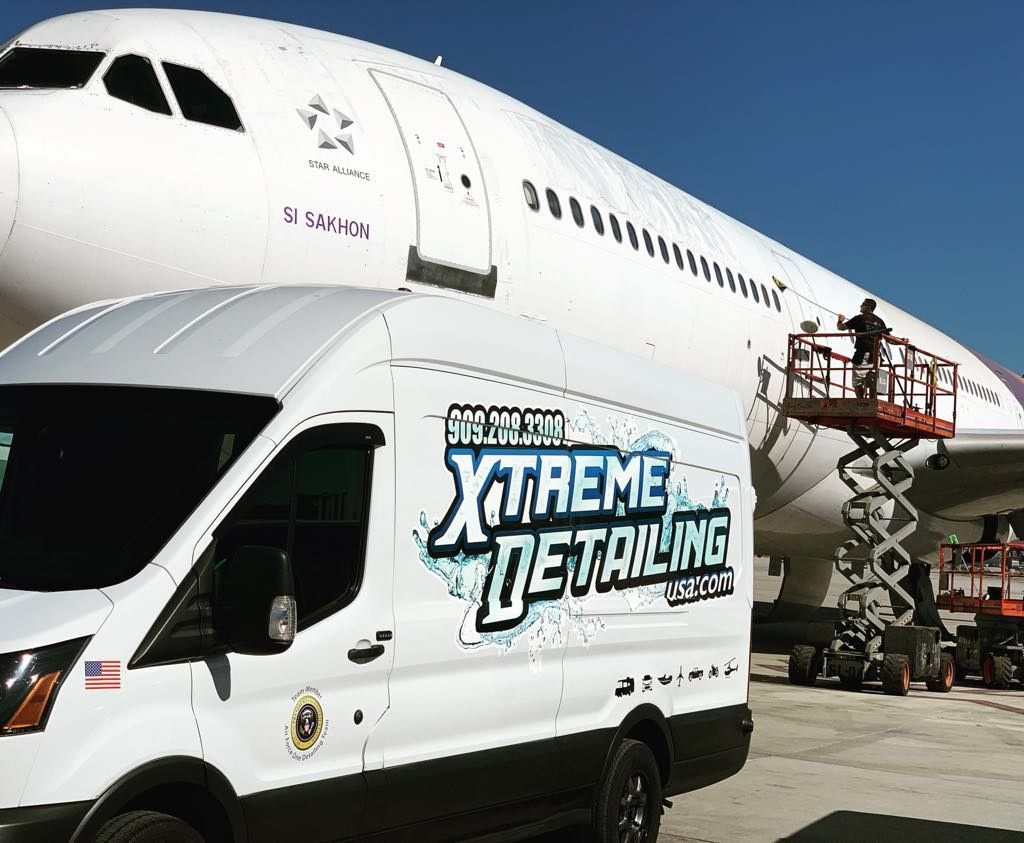
Working across Auto Detailing, Marine Detailing, Airplane Detailing, and RV Detailing teaches you how environments change film behavior. Boat owners sometimes ask about PPF below the waterline to stop scum line staining. That is a mismatch. Constant immersion and marine growth will overwhelm film. Above the rub rail, however, PPF stands up well to fenders, dock lines, and wind-blown grit. On light aircraft, film on leading edges reduces bug pitting, but you must be mindful of inspection access and weight. Aviation regulations and maintenance protocols come first, so any application should be discussed with an aviation maintenance tech.
RVs live rough lives, chewing through miles of insect strikes. Film on the front cap pays off more on an RV than almost any other category. The cleaning rule is simple: after sundown on a travel day, rinse and pre-soak bugs so they do not bake in overnight. On commercial fleets that run dawn-to-dusk, we use water-fed poles and a neutral soap to wash high faces gently so edges do not lift.
On cars with heavy highway use, the lower rockers and rear of the wheel arch are where sandblasting shows fastest. We often see owners baby the hood and forget the lower six inches of the car. That is where film earns overtime. Cleaning those areas at the start of your wash, while they are still cool and shaded, makes tar removal safer and faster.

Winter care, salt, and storage
Road salt is brutal. It creeps into any edge and promotes browning at the seam. A mid-winter underbody and lower panel rinse does more for film longevity than any detail product. Use a gentle fan tip on a pressure washer and keep your distance near edges. A warm water rinse in a self-serve bay, followed by a proper hand wash at home, stops crystallized salt from abrading the top coat.
If the car sits for weeks, clean and dry it thoroughly first. Avoid trapping moisture along edges with thick sealants. In northern climates, owners sometimes ask about protective films in the context of Boat Shrink Wrapping for winter storage. The idea is similar: keep the elements off without abrasion. For vehicles, a breathable car cover in a dry garage is better than plastic sheeting outdoors. If you must store outdoors, ensure the cover has a soft lining and tie it so it does not flap. Repeated motion over edges is how coverings damage film.
Paint Correction and PPF: sequence and light maintenance polishing
The heavy lifting for gloss belongs before the film goes on. Paint Correction should happen ahead of installation, with a finish-polish level at minimum so you do not lock in haze or sanding marks. After film, your polishing options narrow. The film’s top coat is thinner and softer than factory clear. If you polish PPF later, use a finishing pad, low speed, and a non-abrasive or ultra-fine finishing polish, and only to reduce light chemical staining or minor haze. Compound-level abrasives can cut through, leaving a gray or distorted patch that does not match surrounding clarity.
Black hoods on turbocharged cars run hotter. We see more thermal haze and a bit of orange peel amplification on those panels over time. Light corrective passes can even the optical texture, but only by an experienced hand. Over-polishing film can kill its self-healing behavior.
Safe use of pressure washers and touchless systems
Pressure washers save time. They also pry at edges if used too close or with the wrong tip. Stick with a 25 to 40 degree tip, keep a two-foot buffer from flat film, and a three-foot buffer from edges. Touchless automatic washes use high-alkaline detergents that can strip toppers and dry out rubber. They will not instantly ruin film, but frequent use leaves the surface hugosdetails.com Airplane Detailing looking dull. If touchless is your only option in winter, follow up at home with a pH-neutral wash and a film-safe spray sealant to restore slickness.
Brush-style automatic washes are not compatible with PPF longevity. The brushes capture grit and hammer edges. One pass might not lift edges, but repeated use will. If you care enough to invest in film, keep it out of the brush tunnel.
Window Tinting and adjacent work on the same day
Owners often schedule Window Tinting with film installs. No problem, but plan the workflow. Tint installers use slip solutions with surfactants that can drip onto fresh PPF. If we are stacking services, we either tint first or allow extra drying time and protective drapes during tint to avoid softening edges. Heat guns for tint shrinking should not be aimed at film edges for long. A good shop coordinates the two so the materials do not work against each other.
The Xtreme Detailing and Ceramic Coatings maintenance checklist for busy owners
Not everyone enjoys washing. If you want crisp results with minimal fuss, here is a lean, durable approach we use for clients who rack up miles and have limited weekend time.
- Weekly or biweekly: rinse, foam pre-soak, two-bucket contact wash, and safe dry as outlined earlier.
- Immediate spot care: neutralize bugs and bird droppings the same day. Carry a small spray bottle of distilled water and a soft towel in the trunk.
- Monthly: inspect edges, high-impact areas, and hydrophobics. Reapply a film-safe spray sealant if water behavior has slowed.
- Quarterly: perform a gentle decon wash focused on tar and traffic film, especially on lower rockers and behind wheels.
- Annually: professional inspection of edges and high-heat panels. Refresh coating toppers if applicable.
At Xtreme Detailing and Ceramic Coatings, this cadence keeps commuter cars, weekend toys, and working trucks looking sharp without turning maintenance into a hobby. The schedule flexes with seasons. In winter, we prioritize more frequent rinses to fight salt. In summer, we emphasize fast removal of organic contaminants.
Common mistakes that age film before its time
- Scrubbing dry dust or pollen. Always wet the surface first.
- Aiming a pressure washer directly at edges or at under 12 inches on flat sections.
- Using harsh degreasers on hot panels, which can haze the top coat.
- Claying aggressively without lubrication, or using a medium or heavy clay on film.
- Letting bugs and bird droppings bake for days in the sun.
Each of these is avoidable, and fixing the aftermath usually takes longer than doing it right the first time.
Cross-industry lessons from Marine and Airplane Detailing
Marine Detailing teaches respect for UV and mineral content. Boats that live on lifts under the sun show how quickly UV and heat can dry out protective layers. Translate that to a black car that sits on a south-facing driveway. A UV-protective topper for film and a periodic check for early haze make a visible difference by year three.
Airplane Detailing prioritizes inspection discipline. Pilots walk around the airframe every flight, catching small issues before they turn big. Borrow that mindset. A two-minute walk-around after a spirited drive can find new bug build-up, track rubber streaks on quarter panels, or a small lift at a corner that you can schedule for a quick fix before dirt intrudes.
Real-world benchmarks and what to expect over time
After a year of outdoor duty without coating, many films show a slight decrease in hydrophobics and a bit more effort needed to remove road film. That is normal. A light topper restores slickness. After two to three years, high-heat zones may show micro-texture that is only visible at harsh angles. Self-healing still works, but heat cycles take a few minutes longer to relax wash marring. After five to seven years, expect more pronounced optical texture on black panels and some browning along edges on white cars if maintenance was inconsistent.
If you plan to sell the car, PPF in good shape is a selling point. Buyers respond to the clarity of the front end and the absence of peppering around the wheel arches. Taking a few photos of your wash routine and a record of annual inspections shows the film was not neglected. In our experience, that documentation smooths transactions on enthusiast vehicles.
Final perspective: easy habits, long payoffs
PPF does its best work when you help it with small, consistent habits. Keep chemicals gentle, tools clean, water soft if possible, and heat reasonable. Favor prevention over correction. If something looks off, pause and ask. The difference between a quick fix and a panel replacement often comes down to timing.
For owners juggling multiple platforms, whether it is a daily sedan, a weekend boat, an RV, or even a small aircraft, the principle stays the same. Choose the right protection for the environment, keep edges happy, remove contaminants promptly, and let the film’s self-healing work with you, not against you. With that mindset, Paint Protection Film keeps doing the quiet, satisfying job it was designed for, year after year.
Xtreme Detailing and Ceramic Coatings
15686 Athena Dr, Fontana, CA 92336
(909) 208-3308
FAQs About Car Detailing Services
How much should I spend on car detailing?
The cost of car detailing can range from $100 to $300 for standard services, while premium packages like paint correction or ceramic coating can cost several hundred to over a thousand dollars. The right budget depends on your vehicle’s condition and the level of protection you want.
Is detailing worth the money?
Yes, professional detailing is a worthwhile investment. It helps protect your vehicle’s paint, maintains the interior, and preserves resale value. In areas like Fontana, CA, where sun exposure and dust are common, regular detailing can significantly extend your car’s lifespan.
How often should you fully detail your car?
A full detailing service is typically recommended every 4 to 6 months. However, this can vary depending on driving habits, weather conditions, and whether your vehicle has protective treatments like ceramic coating.
What time of year is best for car detailing?
Spring and fall are ideal times for car detailing. Spring helps remove winter buildup, while fall prepares your vehicle for harsher weather conditions. In Southern California, detailing year-round is beneficial due to constant sun exposure and environmental contaminants.
How long does car detailing last?
The results of detailing can last anywhere from a few weeks to several months, depending on the services performed and how well the vehicle is maintained. Protective options like ceramic coating can extend these results significantly.
Do I need ceramic coating after detailing?
While not required, ceramic coating is highly recommended after detailing. It adds a durable layer of protection, enhances shine, and makes future cleaning much easier, especially in high-heat environments like Fontana.